
In our Inside His Mind series, we craft imagined stories based on real conversations and anonymous forum posts from men navigating the often silent battle of postpartum depression (PPD). These stories are fictionalised for privacy, but every emotion you read here is rooted in truth.
No one really talks about fathers after the baby arrives.
For Ryan, 38, a high-energy workshop facilitator known for his charisma and engaging presence, the birth of his daughter should have been a celebration. But instead of joy, a quiet panic crept in.
He was used to prepping for everything. Talks, travel, training sessions. He had routines, checklists, highlighters and backup plans. But nothing prepared him for the tidal wave of fatherhood.
He stood in the nursery, watching his partner, Jade, curled on the bed with the baby latched onto her, her face pale with exhaustion and her eyes distant. He’d asked how she was doing. Her reply had been flat, almost cold.
“I don’t know. Tired. Everything hurts.”
He tried to help. Cooked when he could. Took night shifts. Changed nappies. Rocked their daughter until his arms ached. But Jade’s moods were like a rollercoaster. Some days, she cried nonstop. Other days, she said nothing at all.
And Ryan… started to feel like a ghost in his own home.
He first noticed something was wrong the morning of a big client pitch. He sat at his laptop, staring at the notes, unable to string a sentence together. A tightening in his chest had started days before, but now it clamped down like a vice.
The baby cried in the other room. Jade snapped at him from the hallway. “Why didn’t you get her? Can’t you see I’m drowning here?”
He didn’t even argue. He just stood up and walked to the bathroom, turned on the tap, and stared at himself in the mirror.
“This isn’t working,” he whispered.
He thought maybe he just needed sleep. Or space. But sleep didn’t come, and space made him feel guilty. He loved his family, deeply… but the pressure of being everything, of showing up smiling, supportive, and successful, was slowly fracturing him.
He remembered his father. Emotionally absent, distant, and angry. He didn’t want to be that man. But he also didn’t know how to be anything else.
One night, after putting the baby down, he scrolled through his phone and came across an article: “Paternal Postnatal Depression: The Hidden Struggle.”
His breath caught.
Paternal Postnatal Depression (PPND). He’d never even heard of it.
The article said up to 25% of new fathers experience symptoms. Like anxiety, hopelessness, withdrawal and even rage. But only 10% ever seek help.
Ryan had spent his career teaching resilience, mental clarity and energy management. But now, he was the one drowning and he was ashamed to admit it.
To Families and Friends:
If someone in your circle has just had a baby and seems distant, moody, or overwhelmed — don’t rush to fix it. Don’t judge. Just ask: “Would it help to talk?” Be present. Postnatal depression doesn’t always look like sadness. Sometimes it looks like fear, withdrawal, or irritability.
To Corporates, NGOs, and Faith-Based Communities:
Postpartum depression can silently dismantle families. It doesn’t just affect mothers. It changes marriages, communities, and workplaces. We need more than congratulatory flowers and baby baskets. We need awareness, empathy, and support systems that go beyond the six-week postnatal check-up.
If you are an organisation looking to support your employees, volunteers, or community members, consider hosting a talk or workshop that creates safe spaces for these crucial conversations.
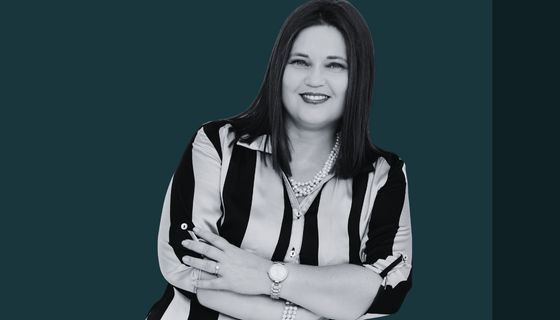
Kim Vermaak, a survivor of postnatal depression, offers heartfelt, practical workshops and talks that help teams and families build real coping structures. Her story is not just one of survival, but of building strong, supportive environments that promote healing.
👉 Reach out today to invite Kim to speak at your next wellness event, corporate training, or community program.
Because healing starts with understanding. No mother should have to walk through postnatal depression alone.
Kim Vermaak is a survivor of postnatal depression, author, and speaker who helps families, NGOs, faith-based communities, and corporates build practical support systems for new parents. With a compassionate, relatable approach, she shares her personal journey and proven strategies to promote emotional wellbeing during the postpartum period. Through talks and workshops, Kim empowers communities to understand the hidden struggles of motherhood and create environments where both parents and children can thrive.